What teams ask.
What they get.
Six workflows, from a first discovery study to a review of last quarter’s churn calls. Each workflow shows a question and the product that answers it. It also shows what you get, usually in 48 hours.
Find the workflow that is closest to yours
Each card names the product that does the work. All workflows end in the same study report. Each claim in it links to its source clip.
Customer research and UX
Find where new users stop, what they want and what they value. Real customers answer, and each answer has a clip.
See the workflow →AnalysisSales and customer success
Analysis reads your renewal and support calls as one set of evidence. Each churn signal has a timestamp.
See the workflow →Interviews · AnalysisAgencies
Deliver client work on time. Recruitment is included, exports keep the citations, and clients open a share link without an account.
See the workflow →Interviews · AnalysisAcademic research
Do semi-structured interviews at study scale. Check and change the first coding pass. Keep a record of consent.
See the workflow →Swarm · InterviewsProduct and roadmap, before you have users
Use this when you have no data. Agents sign up on your product and use it again over time. Then real people confirm the findings.
See the workflow →AnalysisDevelopers and integrations
An API and webhooks give access to the evidence base. Your own agents can cite a clip and not guess. Connect Claude Code or Cursor through the MCP server.
See the workflow →Customer research and UX
Where do new users stop in the first week, and what do they try to do at that point?
“We had a hunch about the import step. Six interviews later the study report said the same thing three different ways, with the clips to prove it.”
 Product leadSeed-stage B2B SaaS
- 01Brief
Type the question. Eva writes a five-question guide and a screener in seconds. You edit both. No interview starts before you approve the study.
- 02Who answers
Screened participants from the pool who pass your screener answer. Or your own users answer from a link that you send. The interviews are live voice calls in 40 languages. Most interviews happen overnight.
- 03What you get
You get a cited study report in 48 hours. Each claim links to the part of the call that it comes from. The study report labels weak evidence and does not remove it.
Sales and customer success
What did the accounts that churned last quarter say on their calls before they left?
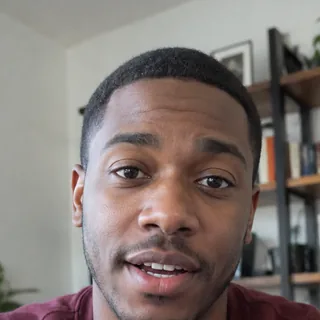
“The churn deck used to be my opinion with a chart on it. Now it is eleven timestamps, and nobody argues with a timestamp.”
 Customer success leadMid-market SaaS
- 01Brief
Upload the recordings: renewal calls, support calls or a CSV of open survey answers. Then ask a question in plain language. For example, ask what customers said before each downgrade.
- 02Who answers
No new people answer. The evidence is already in the calls. Analysis reads all of them, and it uses each call recording as a source.
- 03What you get
You get a study report across all of the calls. Each claim cites the timestamp that it comes from. Docx and PPTX exports keep the citations.
Agencies
Can we give the client a cited findings deck by Friday without a week of analyst time?
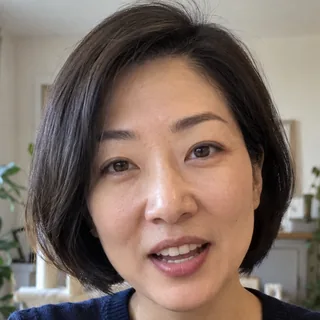
“The client opened the share link, clicked a claim, and heard their own customer say it. That was the whole meeting.”
 Research directorIndependent agency
- 01Brief
Write one brief for each client project. Use the pool or the customer list of the client. Or upload the sessions that you moderated.
- 02Who answers
Screened participants who match the screener answer, and the price includes recruitment. Or the customers of the client answer from a link. The AI moderator uses the guide the same way each time.
- 03What you get
You get a study report in 48 hours. PPTX and Docx exports keep each citation. The client opens a view-only share link without an account.
Academic research
How can we do forty semi-structured interviews and a coding pass in one term, not in one year?
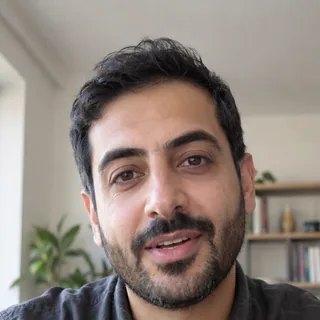
“The coding pass I dreaded took an afternoon, and I could disagree with it line by line because every code pointed at a clip.”
 Doctoral researcherHuman–computer interaction
- 01Brief
Your interview protocol becomes the guide. The AI moderator asks the questions in order. It asks more questions when an answer is short. Each participant gets the same guide.
- 02Who answers
Participants from the pool who match your screener answer, in 40 languages. Or a sample that you recruit by link answers. We pay each participant, and each participant gives consent on the call.
- 03What you get
You get transcripts and a first coding pass. You can rename and change the codes. Each quote in the study report cites its clip, and exports keep the citations.
Product and roadmap, before you have users
Where will people stop in this product before a real user signs up?
“Three of the five agents never made it past the invite step. We fixed it before a single real user saw it.”
 FounderConsumer marketplace
- 01Brief
Describe your users. Persona agents sign up on your product and come back each week. We label them as agents in all places.
- 02Who answers
The agents answer first. We record each stall, dead end and bug with a replay. Then real people from the pool vote on the top findings in a short interview.
- 03What you get
You get a stall report. It ranks each problem by the number of agents that found it. Each item stays at medium confidence until a person confirms it. Then you get a cited study report from those interviews.
Developers and integrations
Can our own agent read the evidence base with the citations attached?
“Our support bot answers from the same base the product team reads. When it cites something, it is a clip, not a guess.”
 Engineering leadDeveloper tools
- 01Brief
Make an API key in the workspace. The app uses the same endpoints. We publish TypeScript and Python clients, and the OpenAPI spec shows all endpoints.
- 02Who answers
The evidence base answers. Interviews, agent sessions and uploads come back as JSON. Each claim has a clip reference, so the citation stays with the data.
- 03What you get
You get study reports, clips and tags in your warehouse or pipeline. A webhook tells you when a session is complete. Claude Code and Cursor can read the same evidence through the MCP server.
Questions about the workflows
For other questions, email support@userevaluation.com. A person answers.
Do you have a question and no evidence? Start with Interviews. The first three are free. Do you have recordings? Upload them to Analysis on the Free plan. Do you have a product but no users? Start a Swarm run.
No. Free, Pro and Team all include the full analysis and cited study reports. The plans have different numbers of seats, uploads and included Swarm runs. Extra Swarm runs cost $2 each. Interviews cost the same on all plans, from $10 each.
We measure it from the approved guide to the study report. It applies to a usual study of five to ten interviews with the pool. Most interviews happen overnight. A narrow screener can make the time longer. You see the estimate before you start the study.
Where most workflows start
All workflows above end in the same cited study report. Most of them start with an interview, and one plan includes all of them.
Interviews
AI-moderated voice interviews with screened participants in 40 languages. The price includes recruitment. You get a cited study report in 48 hours.
See how it works →One decisionPricing
Free, Pro at $49 and Team at $199 a month, or Scale for large teams. Interviews cost from $10 each on all plans. The first three are free, with no card.
See the plans →Start with the question.
Type the question and approve the guide. Then read the cited study report in 48 hours. Use the workflow that is closest to yours.
The first 3 interviews are free. You do not need a credit card or a demo call.